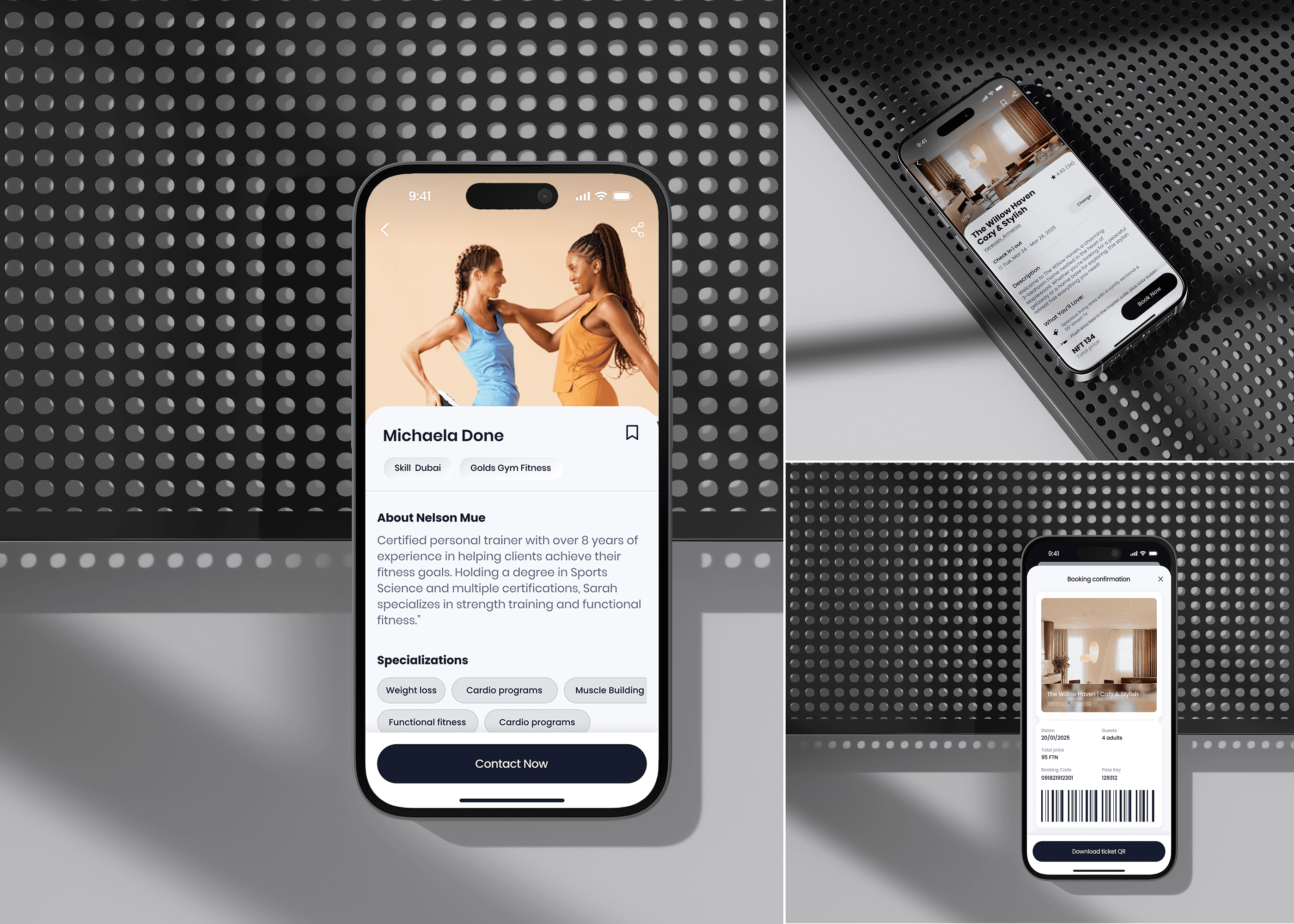
FastBank Design System: Creating Consistency, Trust, and Speed Across Platforms
Client
FastBank
Year
2025
This project focused on solving fundamental UI and product consistency challenges within FastBank — an online banking platform used daily across web and mobile. As the product expanded, teams were creating screens and components independently, leading to visual inconsistencies, duplicated work, and a fragmented user experience that weakened trust in a financial environment where clarity is essential.
As the Product Designer, my mission was to bring unity, scalability, and predictability to FastBank’s digital ecosystem. I introduced a cross-platform design system built on Atomic Design principles — establishing a shared visual language, reusable components, and clear guidelines that empower teams to build faster while ensuring a seamless, reliable experience for every FastBank user.
Scope of Work
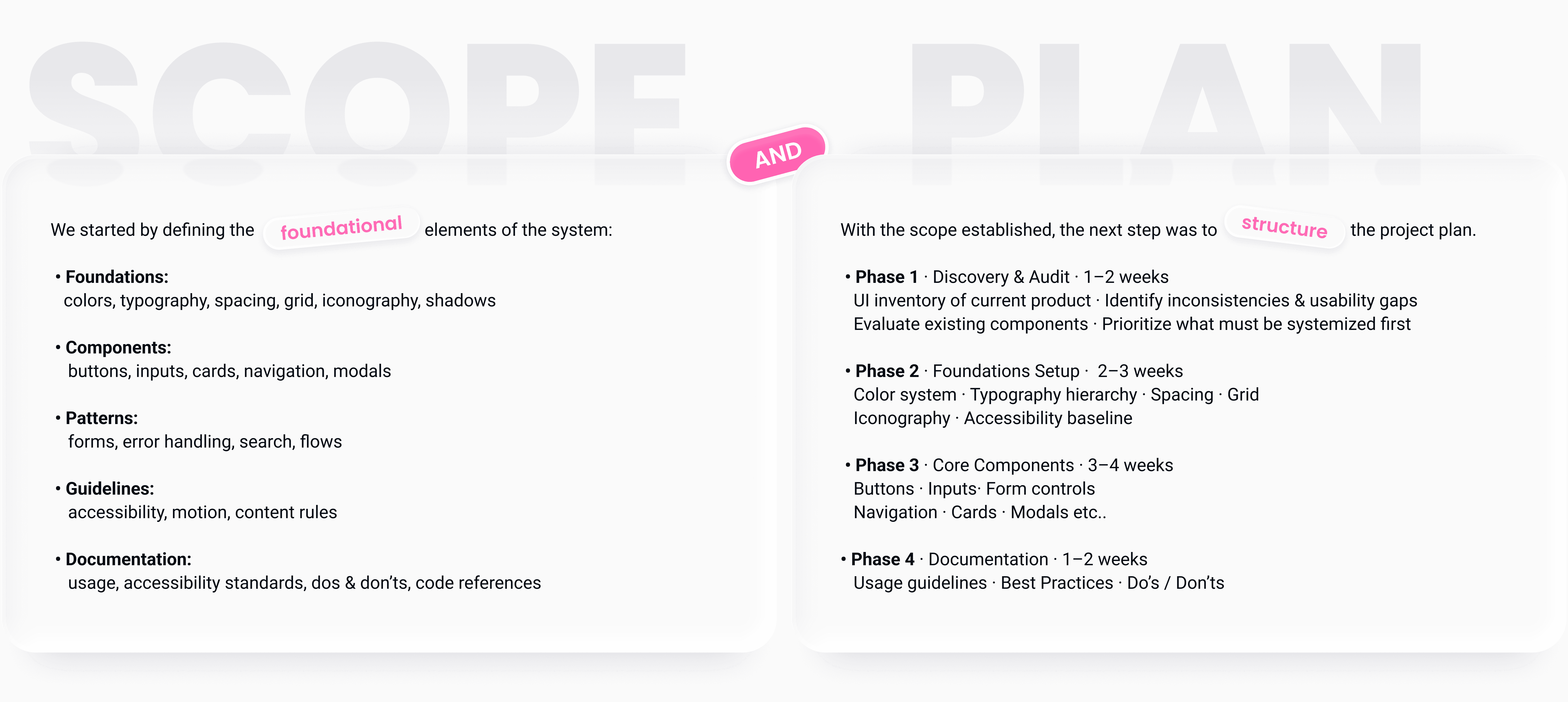
Laying the Groundwork: Scope & Plan
To understand the true state of FastBank’s interface, we began with a full UI inventory — a meticulous sweep through every screen, component, and pattern used across both web and mobile. Instead of relying on assumptions, we treated the product as research terrain, capturing real evidence of how the design had evolved over time.
This audit became a turning point. It revealed not just inconsistencies and duplicates, but also the silent gaps — components that teams kept recreating because no standard existed. These insights gave us a clear, research-driven foundation for defining what the design system needed to include, fix, or reinvent.
The Approach
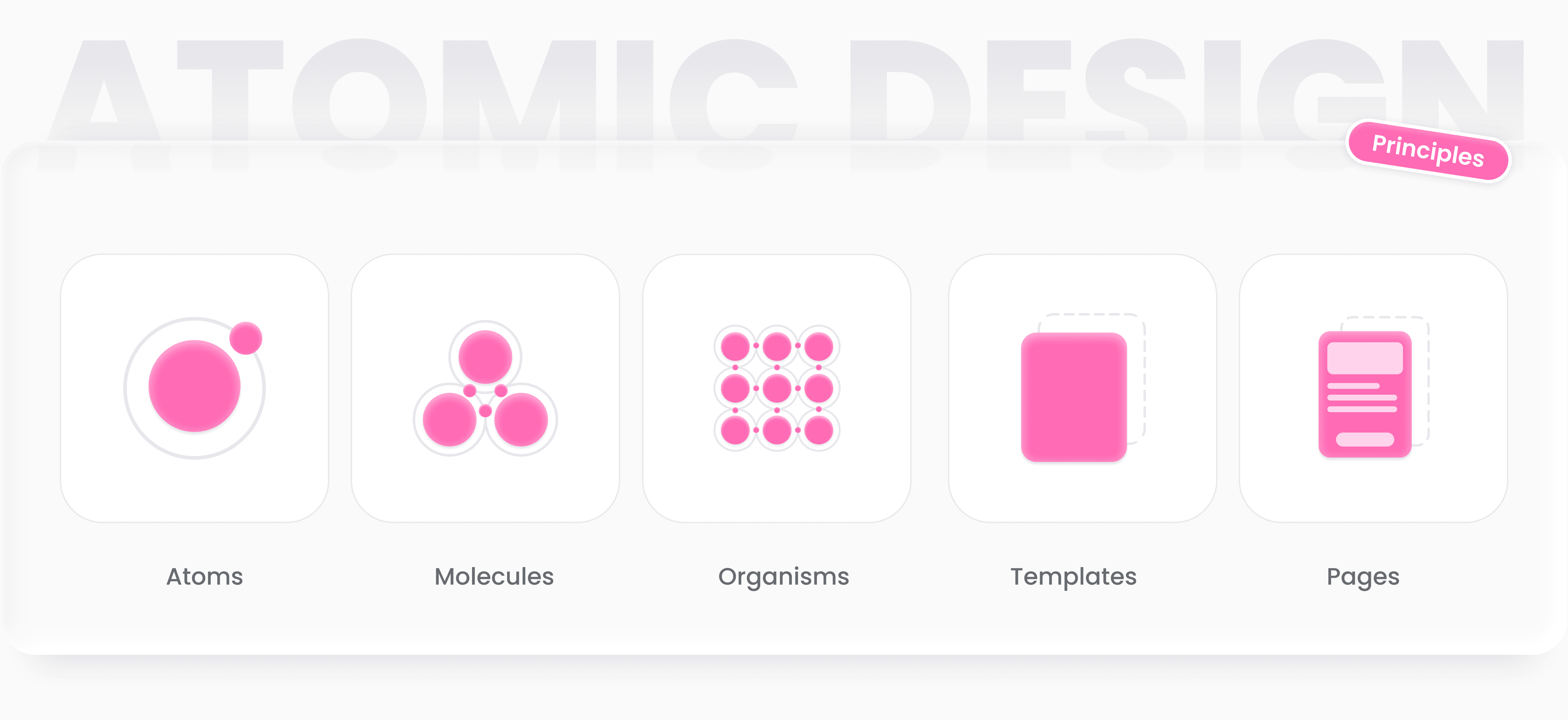
As we built our system, we adopted Atomic Design Principles, breaking the interface down into fundamental building blocks like atoms, molecules, and organisms. This modular approach allowed us to design components that are scalable, maintainable, and easy to combine into more complex interfaces. It ensured that every part of the system is interconnected, flexible, and ready to grow as the product evolves.
Foundations
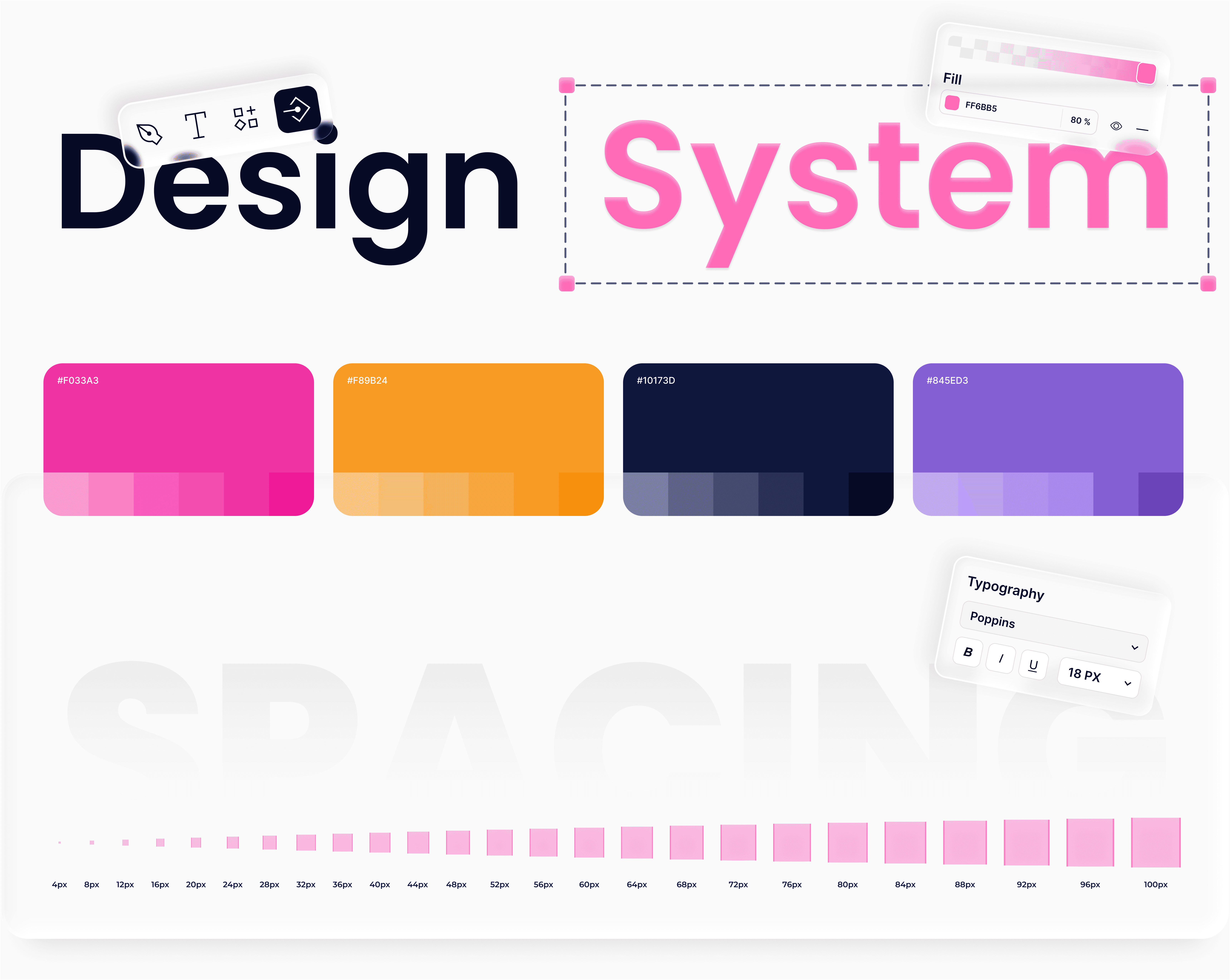
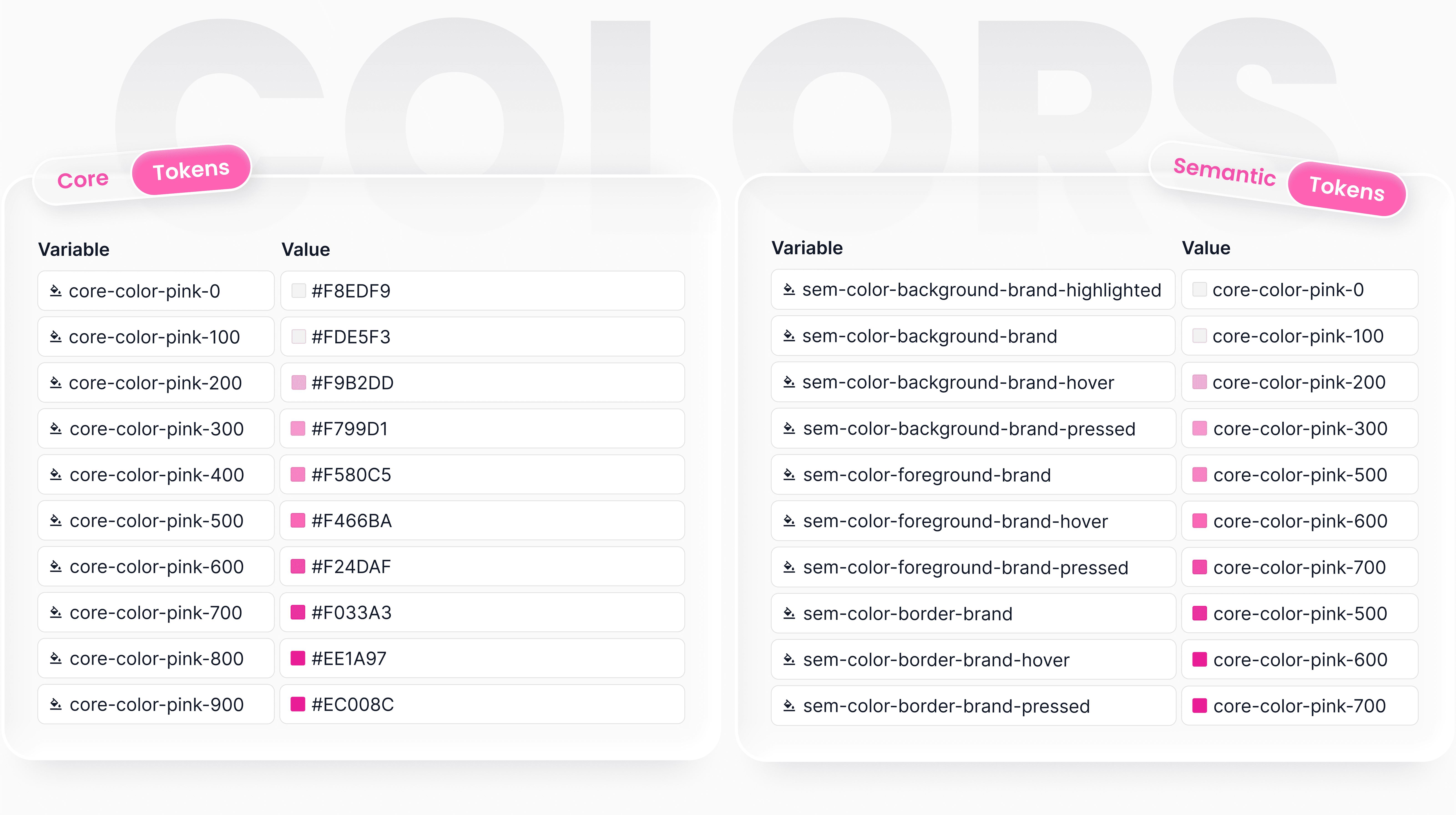
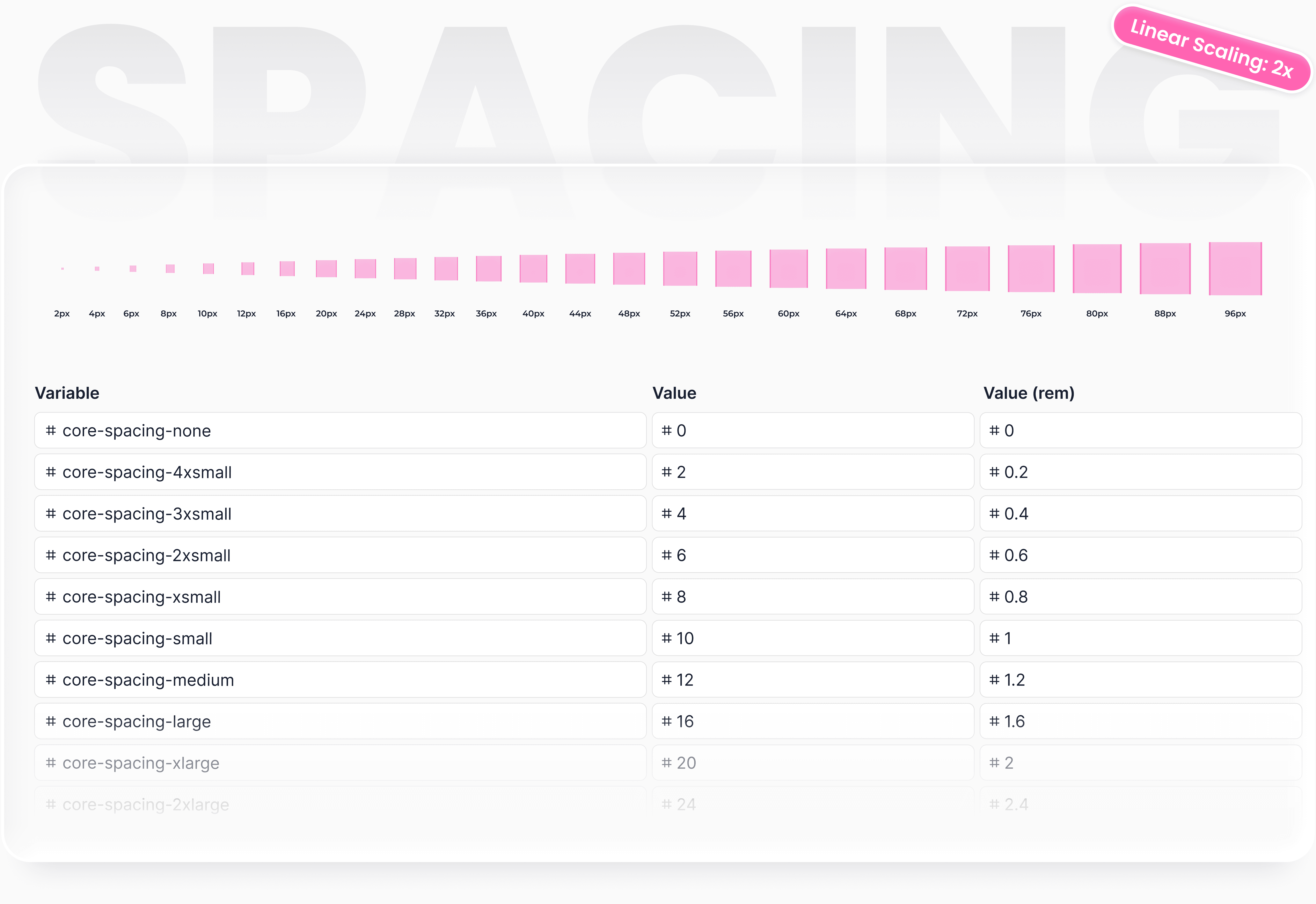
After wrapping the UI inventory, we began shaping the Foundations of the system by defining our design tokens — the core rules for
Color Tokens
Typography Tokens
Spacing Tokens
Sizing Tokens
Radius Tokens
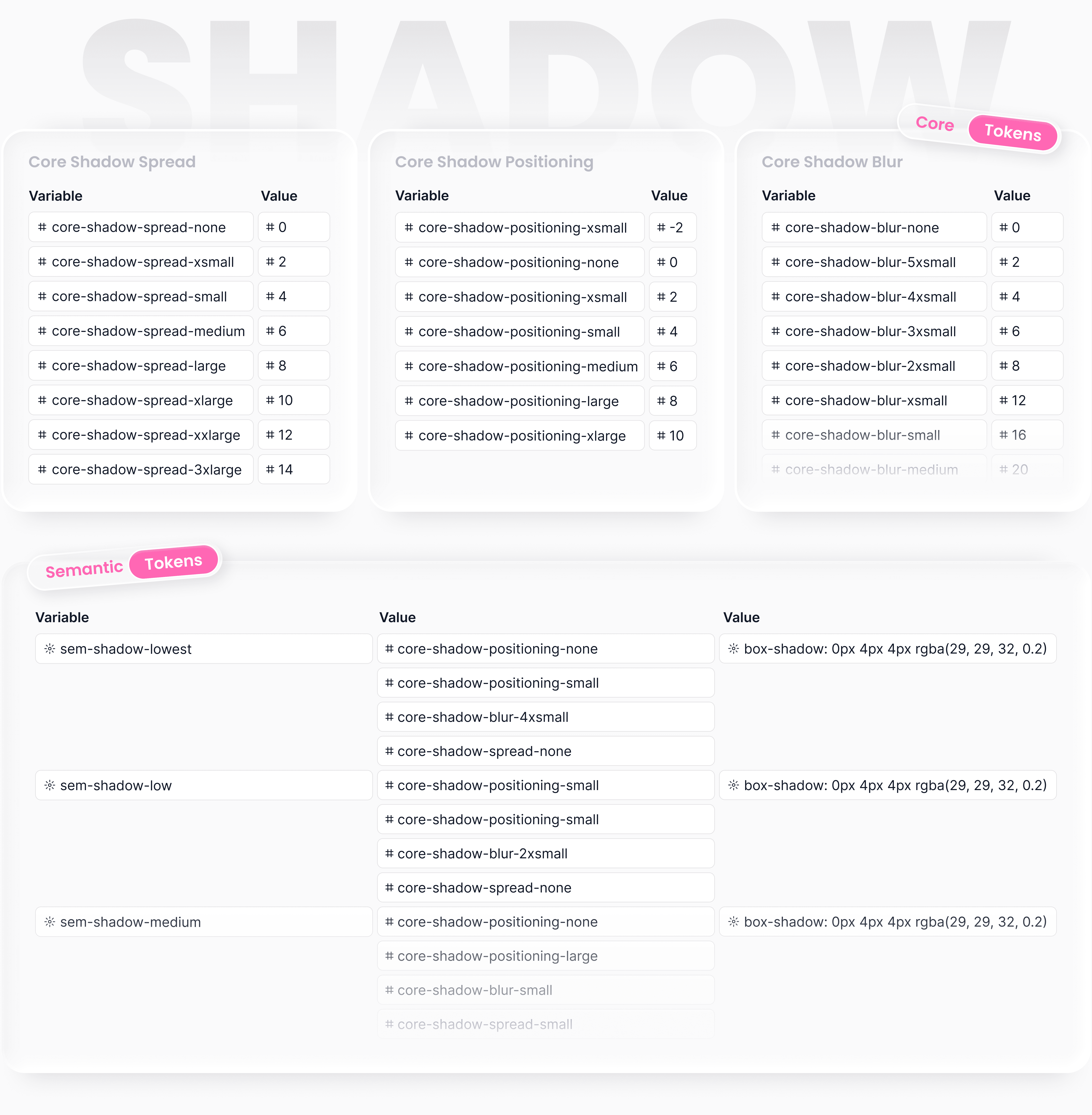
Elevation/Shadow Tokens
These tokens ensure that every component in the system is consistent, scalable, and easy to update globally.

Reusable Component Library
We created component sets that translated foundational tokens into practical, ready-to-use UI elements - components.
We created a library of reusable components such as:
Buttons
Inputs & form fields
Radio, checkbox, toggle
Select, dropdown
Tags & chips
Cards & list items
Navigation (tabs, bottom bar, sidebar)
Table
Modals & sheets
Tooltips & popovers
Loaders & skeletons
etc….
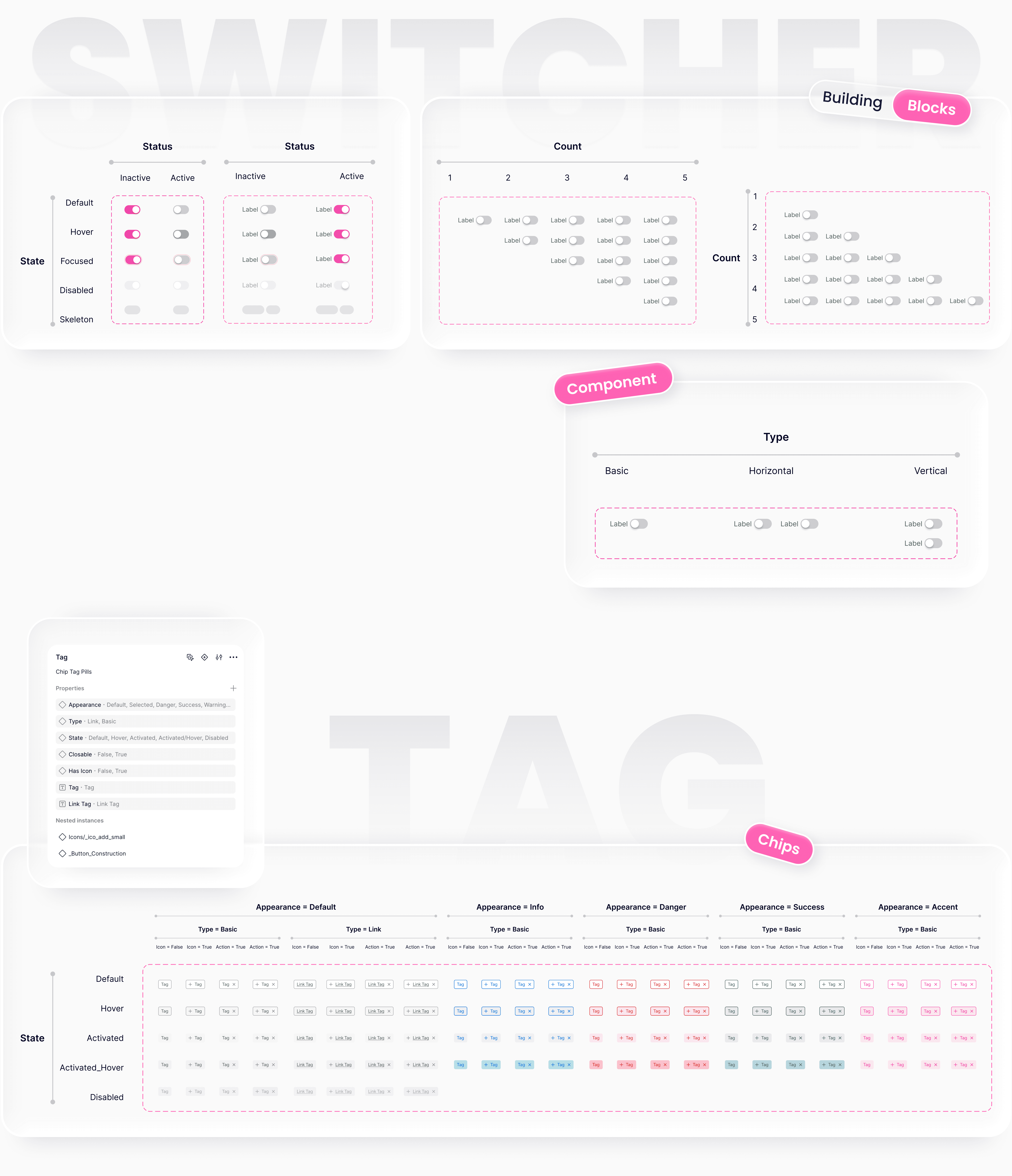
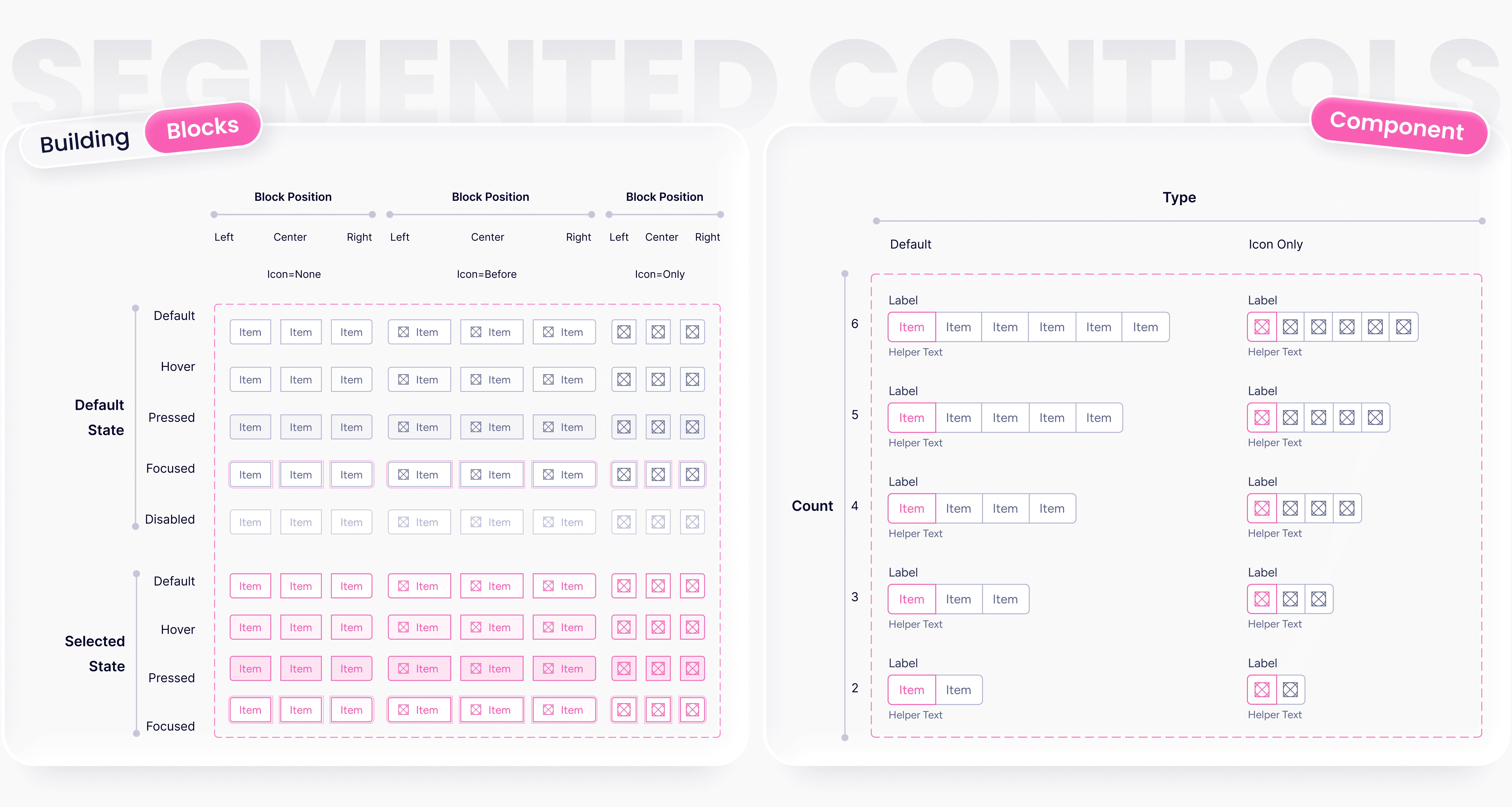
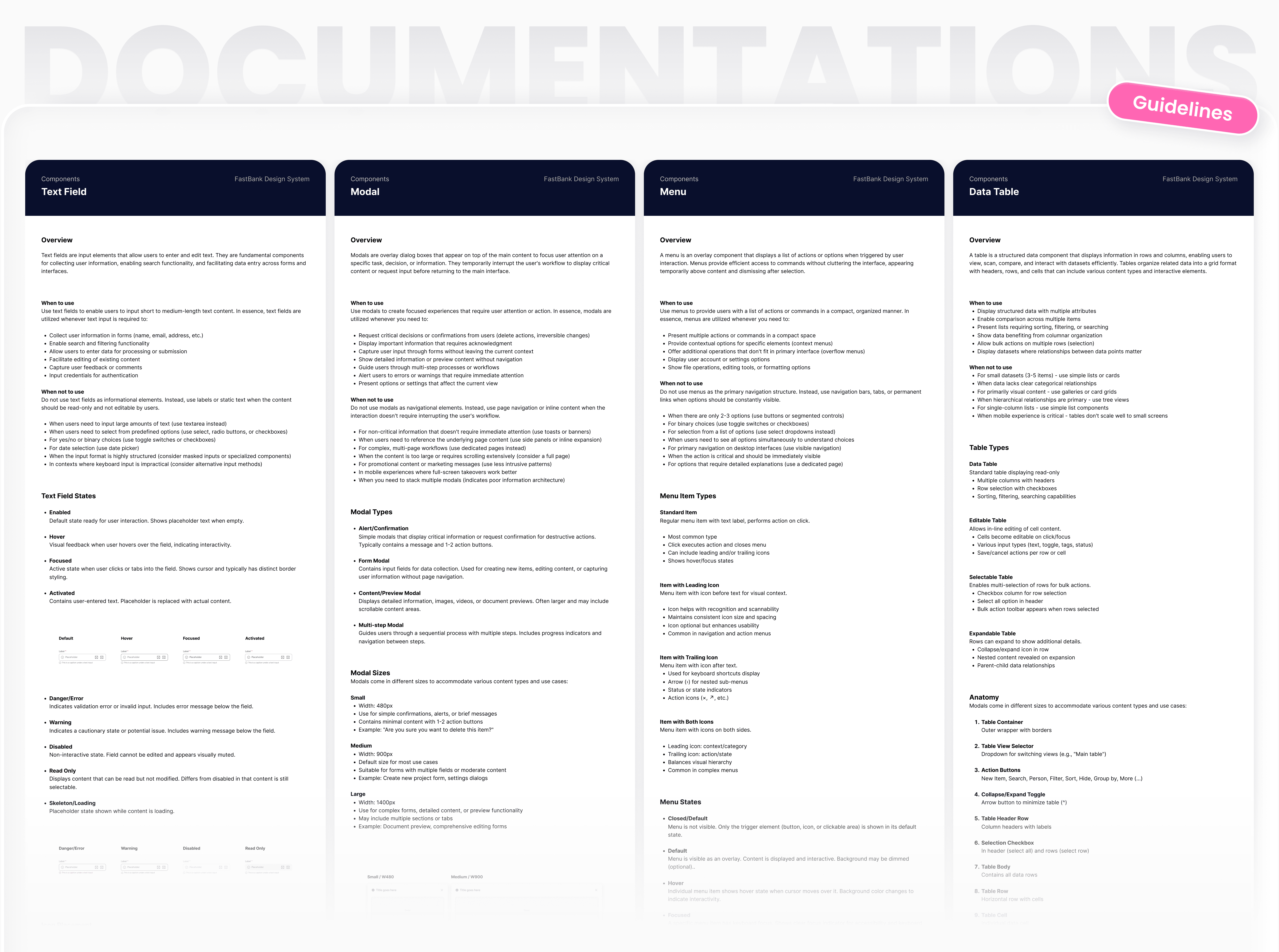
By the end of project we documented foundations and components with clear usage rules, do’s and don’ts, interaction states, and code references.
This ensures that teams can apply the system consistently without guesswork.
Usage guidelines
Component anatomy
Variants & states
Do & Don’t examples
Accessibility notes
Interaction behavior
Best Practices